

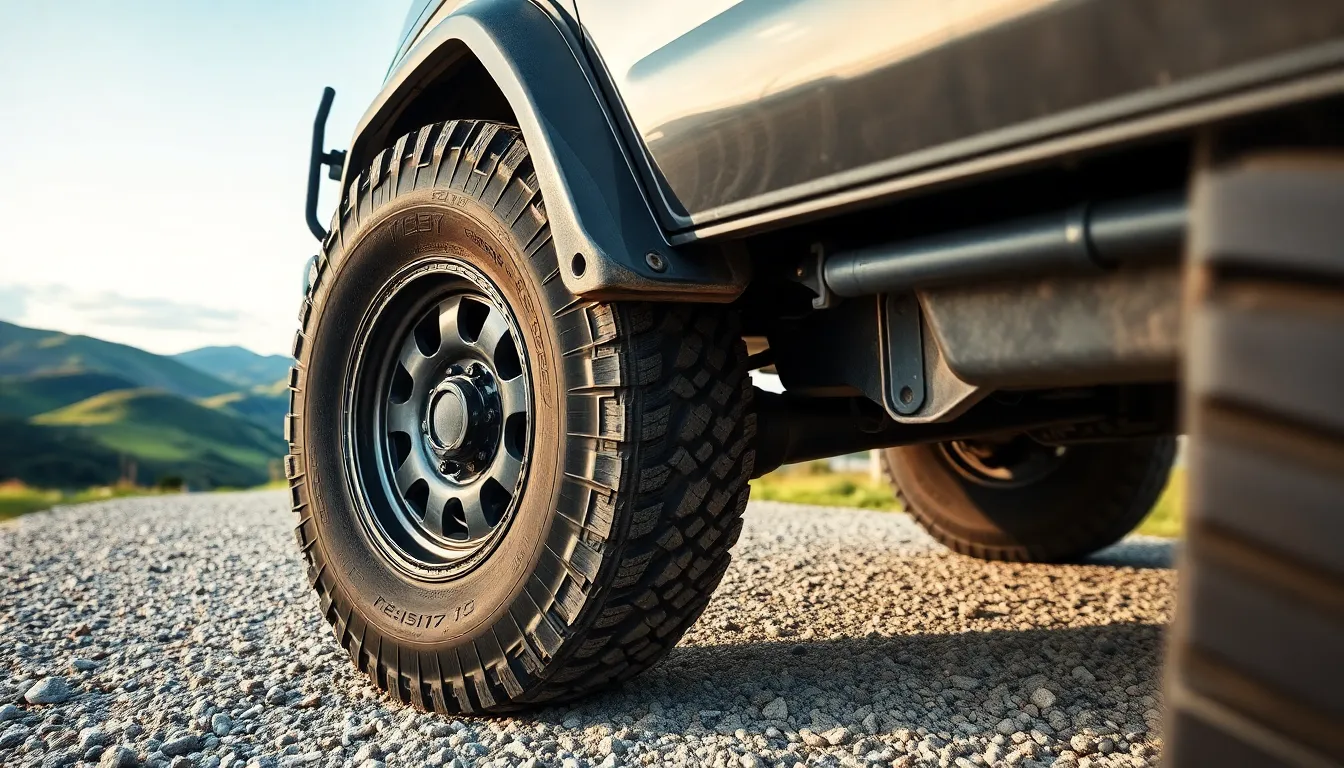
Understanding tire sizes can be a bit overwhelming, especially when it comes to converting metric measurements to inches. The tire size 295/60R20 is a common choice for trucks and SUVs, but many drivers may not realize how to interpret these numbers. Knowing how to convert these dimensions can help in selecting the right tires for performance and safety.
In this article, readers will discover how to break down the 295/60R20 tire size into inches. This conversion is crucial for those looking to ensure compatibility with their vehicles or simply wanting to understand their tires better. With a clear explanation of each component of the tire size, this guide will make it easier for anyone to grasp the essential measurements that affect tire performance and fit.
Understanding Tire Measurements
Understanding tire measurements involves breaking down the numbers found on a tire’s sidewall. These measurements indicate critical specifications that help in selecting the right tire for specific vehicles.
What Do the Numbers Mean?
The tire size 295/60R20 consists of three key components:
- 295: This number represents the tire’s width in millimeters. A width of 295 mm refers to the measurement across the tread area from sidewall to sidewall.
- 60: This aspect ratio indicates the tire’s height as a percentage of its width. A 60 aspect ratio means the tire’s height is 60% of the tire’s width, which translates to about 177 mm.
- R20: The letter “R” signifies that the tire is of radial construction, while “20” indicates the diameter of the wheel in inches. Hence, a wheel diameter of 20 inches is required to fit this tire.
The Importance of Accurate Sizing
Accurate tire sizing directly impacts vehicle performance, handling, and safety. Properly sized tires ensure optimal contact with the road, significantly affecting braking distance, traction, and fuel efficiency. Mismatched tires can lead to uneven wear and increased risks in hazardous conditions. Furthermore, selecting tires that align with manufacturer specifications prevents complications during installation and maintenance. Always verify measurements before purchasing new tires to enhance performance and maintain safety standards.
Converting 295/60R20 to Inches

To convert the tire size 295/60R20 from metric measurements to inches, it’s crucial to understand the individual components of the tire size and use a reliable conversion formula.
Conversion Formula
The conversion involves two key dimensions: the width and the sidewall height. The formula to convert these measurements is:
- Tire Width (in inches): Width in mm ÷ 25.4
- Sidewall Height (in inches): (Width in mm × Aspect Ratio ÷ 100) ÷ 25.4
Using these calculations, the width of 295 mm converts to approximately 11.6 inches. The sidewall height of 60% of the width equals approximately 7 inches.
Step-by-Step Conversion Process
- Convert Width: Divide 295 by 25.4.
- Result: 11.6 inches
- Calculate Sidewall Height: Multiply the width by the aspect ratio (0.60), then divide by 25.4.
- Calculation: (295 × 0.60) ÷ 25.4
- Result: Approximately 7 inches
- Calculate Overall Diameter: Add the diameter of the wheel (20 inches) to twice the sidewall height (2 × 7 inches).
- Calculation: 20 + (2 × 7)
- Result: Approximately 34 inches
The overall diameter of the tire is essential for ensuring proper fitment and performance. Each measurement translates the metric values into usable American standards, aiding in tire selection.
Comparison with Other Tire Sizes
Understanding how the size 295/60R20 compares with other tire sizes helps in making informed decisions for vehicle setup. By analyzing similar sizes, benefits, and drawbacks, users can select the most suitable option for their needs.
Similar Sizes
Sizes comparable to 295/60R20 include 275/65R20 and 305/55R20.
- 275/65R20: This size features a width of approximately 10.8 inches and an overall diameter of about 34.3 inches. It’s slightly narrower but has a similar diameter, making it compatible with many vehicles designed for 295/60R20.
- 305/55R20: This tire has a width of around 12.0 inches and an overall diameter of approximately 33.2 inches. The wider profile may enhance traction on specific terrains, but the shorter sidewall may affect ride comfort.
These sizes maintain similar performance characteristics, with slight variations that can impact overall vehicle dynamics and aesthetic appearance.
Pros and Cons of Different Sizes
Examining the advantages and disadvantages of different tire sizes helps users understand their options.
- 295/60R20 Pros:
- Provides a robust width for improved traction and stability
- Offers a taller sidewall, enhancing ride comfort on rough terrains
- Generally suits a variety of truck and SUV applications
- 295/60R20 Cons:
- May contribute to slower acceleration due to increased weight
- May result in more pronounced road noise compared to narrower tires
- 275/65R20 Pros:
- Slight weight reduction can enhance acceleration and fuel efficiency
- Better suited for on-road driving, reducing noise levels
- 275/65R20 Cons:
- Offers a narrower contact patch, potentially resulting in less traction off-road
- Sidewall height may be a factor to consider for those favoring a more aggressive stance
- 305/55R20 Pros:
- Wider profile improves traction during off-road conditions
- Sporty appearance adds to aesthetic appeal
- 305/55R20 Cons:
- Shorter sidewall may lead to a harsher ride experience
- Could impact handling dynamics, particularly in wet or slippery conditions
Choosing the right tire size involves balancing these pros and cons based on specific driving needs and conditions.
Common Applications for 295/60R20 Tires
The 295/60R20 tire size finds extensive use in various vehicles, particularly those requiring high durability and performance. Its design suits trucks and SUVs that encounter diverse driving conditions.
Vehicles That Use This Size
- Full-Size Trucks: Full-size trucks such as Ford F-150 and Chevrolet Silverado often utilize 295/60R20 tires for their robustness.
- SUVs: Many mid to full-size SUVs, including models like the Chevrolet Tahoe and Dodge Durango, benefit from this tire size for improved handling.
- Off-Road Vehicles: Off-road vehicles, particularly those designed for rugged terrains, often fit 295/60R20 tires, providing enhanced traction.
Performance Characteristics
- Traction: 295/60R20 tires offer superior traction on various surfaces, including mud, sand, and snow, ensuring safety in challenging conditions.
- Stability: The wide profile enhances vehicle stability, particularly during cornering and highway speeds, promoting confident driving experiences.
- Durability: Built with robust materials, these tires withstand wear and tear, making them ideal for heavy loads and rough usage.
- Rolling Resistance: While offering good performance, 295/60R20 tires may have slightly higher rolling resistance compared to narrower sizes, impacting fuel efficiency.
Understanding tire sizes like 295/60R20 is crucial for any vehicle owner. The conversion from metric to inches provides valuable insights into tire performance and compatibility. By grasping the significance of width, aspect ratio, and diameter, drivers can make informed choices that enhance their vehicle’s handling and safety.
Selecting the right tire size not only improves traction and stability but also ensures optimal fuel efficiency. With the right information, drivers can confidently navigate their options and choose tires that best suit their needs. Whether tackling rugged terrain or cruising on highways, proper tire sizing plays a vital role in overall driving experience.